
- By: Martha Livingstone
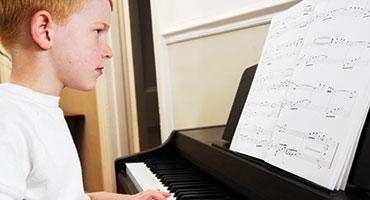
Convincing kids to practice their instrument can sometimes feel like trying to negotiate with a very small, very opinionated CEO. One minute they’re all in, the next they’re dramatically sighing on the floor. Whether they’re learning piano, guitar, violin, bass, drums, or singing, keeping the motivation alive doesn’t have to be a battle.
At Visionary Centre for the Performing Arts, our teachers in Edmonton and St. Albert have seen just about every excuse in the book — and they’ve also figured out a few clever ways to make practice feel less like a chore and more like something kids actually want to do.
- Turn Practice Into a Game
Kids respond surprisingly well when practice feels more like playtime. Our instructors often suggest turning tricky sections into mini challenges — like racing the timer or playing a scale in the voice of a pirate. The goal is to keep things light so practice doesn’t instantly trigger eye rolls.
- Let Them Feel Like They’re in Charge
Giving kids a little control goes a long way. Letting them choose which song to practice first or picking one piece they actually like (yes, even if it’s from a video game) can make a big difference. Our teachers are pretty good at guiding students while still letting them feel like they’re calling some of the shots.
- Celebrate the Small Wins Loudly
Instead of waiting for a perfect performance, our instructors focus on cheering the little victories — like finally nailing that tricky rhythm on the drums or hitting a note they’ve been struggling with. When kids can see they’re improving, they’re much more likely to keep going.
- Connect Practice to Something Fun
Motivation sticks better when there’s something exciting on the horizon. Whether it’s learning a favourite song, getting ready for a performance, or playing with other students, our teachers work to link daily practice to the things that actually excite each child.
- Keep It Short and Sweet
Long, serious practice sessions often backfire. Our instructors generally recommend shorter, more focused sessions that match the child’s age and attention span. A little bit of consistent practice usually beats one long, painful session on the weekend.
- Make Lessons Something They Look Forward To
The teacher makes a huge difference. When lessons are engaging, encouraging, and actually fun, kids are far more likely to stay motivated at home. At Visionary Centre for the Performing Arts, our piano, guitar, violin, bass, drum, and singing teachers are known for keeping lessons upbeat while still helping students make real progress.
Final Thought
Practice doesn’t have to feel like a chore. With the right mix of fun, encouragement, and a teacher who knows how to keep things light, most kids eventually start practicing because they want to — not because they’re being reminded for the tenth time. The teacher makes a huge difference. When lessons are engaging, encouraging, and actually fun, kids are far more likely to stay motivated at home.
At Visionary Centre for the Performing Arts, our piano, guitar, violin, bass, drum, and singing teachers are known for keeping lessons upbeat while still helping students make real progress.
- By: Martha Livingstone
As we head into auditions at Visionary Centre for the Performing Arts, we want to share some helpful pointers for anyone preparing to audition for Seussical Kids, Matilda Jr., Addams Family, or Les Misérables High School Edition. Auditions for these shows will include both singing a song from the musical and performing a scene. Here are five practical tips to help you feel more prepared.
- Choose From the Songs the Director Suggested
The director has provided recommended song options for each show. Stick to one of these suggested songs rather than choosing something else. This helps the directors see how you might fit into Seussical Kids, Matilda Jr., Addams Family, or Les Misérables High School Edition.
- Prepare Both the Song and the Scene
Auditions will involve singing and acting a scene. Once you’ve selected your song, spend time practicing it alongside the scene material provided. Focus on learning the lyrics, delivering the scene clearly, and showing character. Being prepared for both parts of the audition will help you feel more confident.
- Show Energy and Personality
Directors want to see that you’re enjoying yourself. Smile, stand tall, and let your personality come through when you sing and when you perform the scene. Kids and teens who bring positive energy often stand out during auditions.
- Be Ready to Move and Act
Many musical auditions include movement, and performing a scene requires strong acting choices. Wear clothes you can move in and use your face and body to help tell the story. This is especially important when auditioning for character-driven shows like Matilda Jr. or Addams Family.
- Understand That Casting Involves More Than Just Talent
Casting decisions take several factors into account, not just singing or acting ability. Directors also consider age, appearance, experience level, and how well you fit with the rest of the cast. This is normal when putting together a full production.
Final tip: Get a good night’s sleep before your audition and try to stay calm. We look forward to seeing everyone at the upcoming auditions.
- By: Martha Livingstone
Learning guitar, bass, drums, keyboard, or vocals is about more than mastering an instrument. For many young musicians in St. Albert and Edmonton, private music lessons provide an important foundation, while playing in a band offers a different kind of musical education. It allows students to apply their skills, collaborate with others, and experience the process of creating music together.
Read more: More Than Learning an Instrument: The Benefits of Playing in a Band